6
05 - Night
6
5
4
15+
1
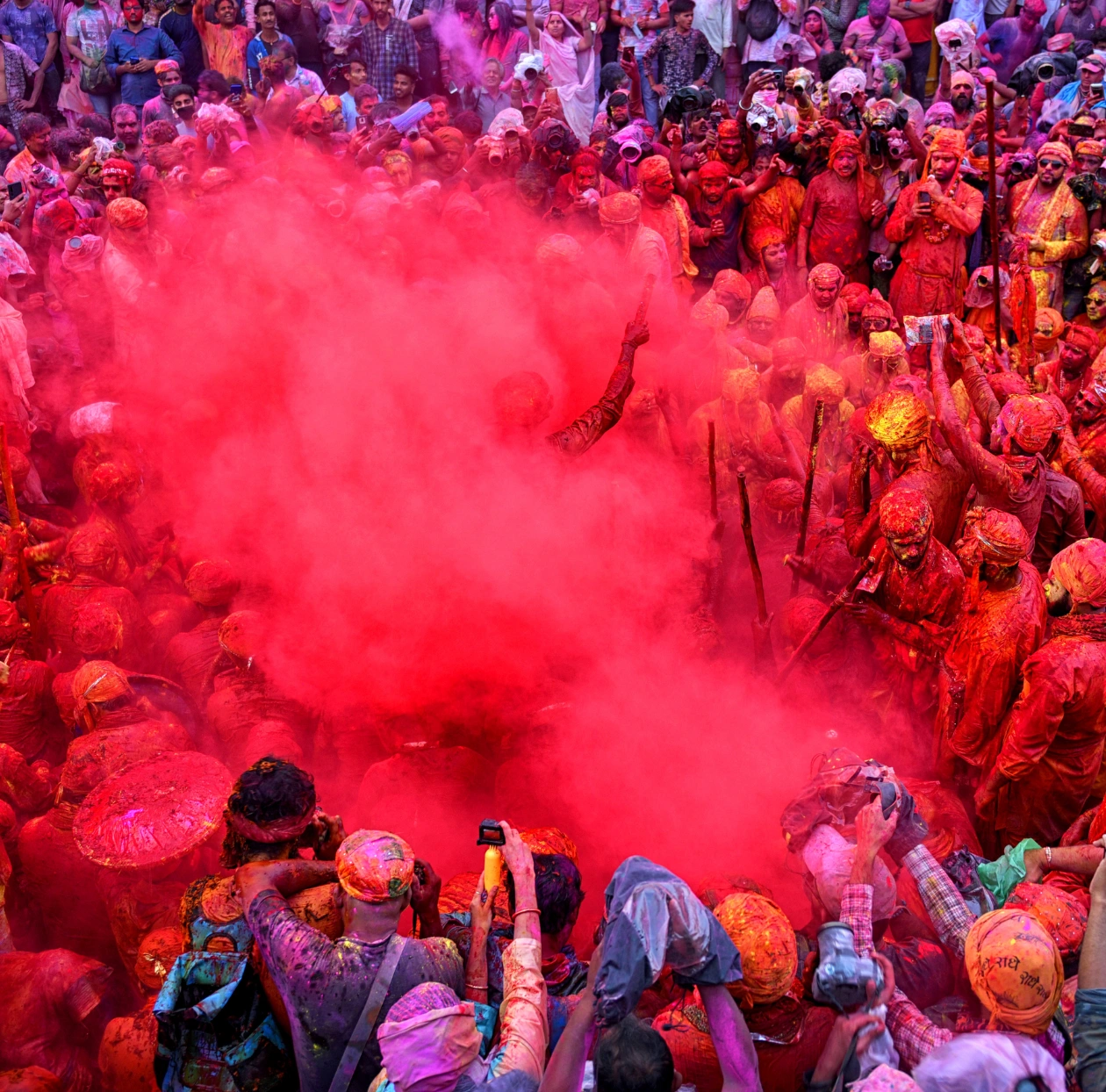
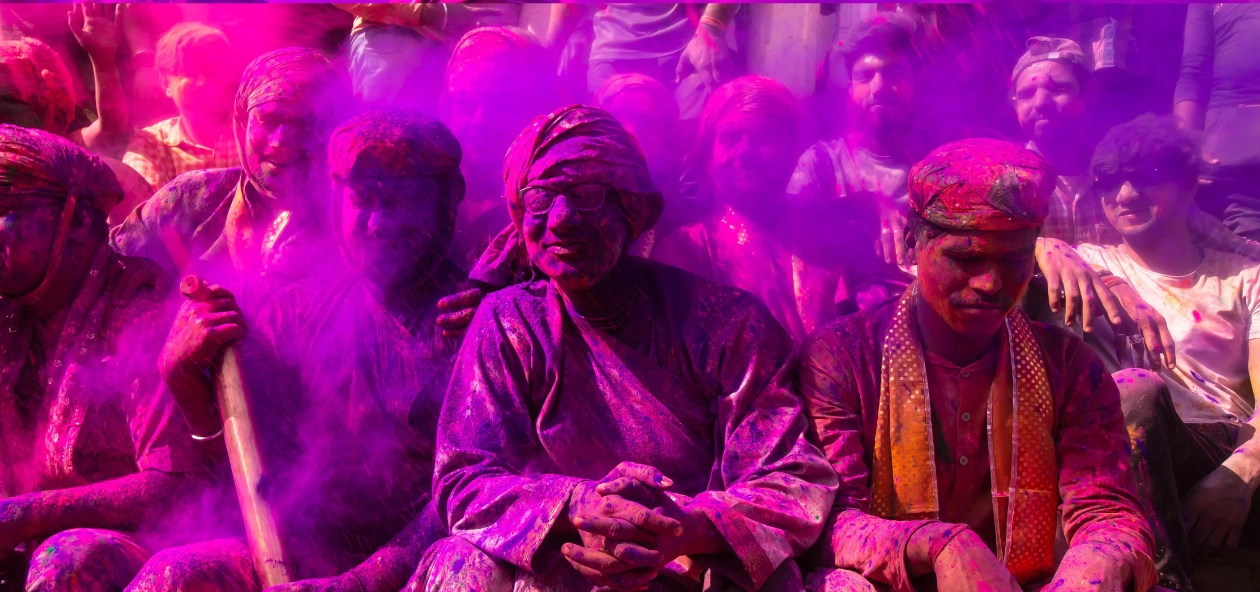
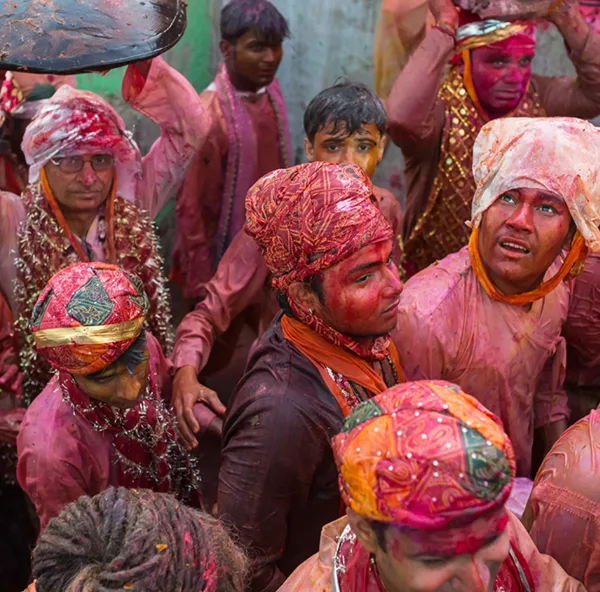
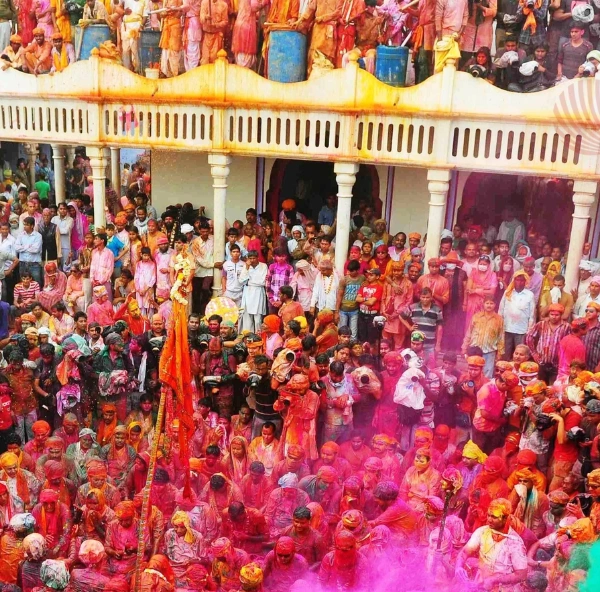
Celebrate the most vibrant festival of India — Holi — in the most spectacular way with Go India Trip's 4 Days Holi Special Agra & Jaipur Tour. This carefully crafted itinerary takes you through the timeless grandeur of the Taj Mahal, the Mughal glory of Agra Fort, the royal splendor of Amber Fort, and the colorful streets of the Pink City — all wrapped around an unforgettable Holi celebration. Whether you are a history enthusiast, a festival lover, or a curious traveler, this tour delivers a once-in-a-lifetime experience of color, culture, and heritage.
Qutub minar : Rising 73 m above the historic grounds of Mehrauli, the Qutb Minar is the tallest brick minaret in the world and a UNESCO World Heritage Site. Built at the beginning of the thirteenth century. Its five floors are clad in intricate bands of red sandstone and marble, crowned by elegant balconies supported by delicate marble.
Temple of Lotus : its five floors are covered with intricate red sandstone and marble bands, crowned by elegant balconies supported by delicate muqarnas. Its five floors are clad in intricate red sandstone and marble strips, crowned by elegant balconies supported by delicate muqarnas.
Humayun's Tomb : is the first great Mughal mausoleum in Delhi and a true precursor of the Taj Mahal. Built in the 1560s for the second Mughal emperor, the complex blends Persian architecture with Indian motifs, set in a vast 30-acre garden of water canals and walkways. The red sandstone arches are adorned with white marble in pietra dura, creating a striking contrast.
India Gate : is Delhi's most iconic war memorial, an imposing 42m sandstone arch that watches over the bustling heart of the capital. Designed by Sir Edwin Lutyens and unveiled in 1931, it commemorates the 70,000+ Indian soldiers who lost their lives in World War I — later expanded to honor those who fell in the 1919-22 Afghan conflict.
Parliament : New Delhi is the beating heart of Indian democracy — a remarkable circular complex that dominates the western end of the Rashtrapati Bhavan highway. Built between 1921 and 1927, the building blends classical Western architecture with Indian motifs: a massive sandstone dome, a colonnaded façade.
Jama Masjid : Jama Masjid, the largest mosque in Delhi, is located in the heart of old Delhi and is a showcase of Mughal freshness. Built in the 17th century, the complex spans 30 acres and can accommodate up to 25,000 worshippers simultaneously. Rising to 41m in height, each topped with a white marble dome — perfect for panoramic views of the bustling bazaars below.
Chandni Chowk : the beating heart of Old Delhi, a maze of alleyways that has been buzzing for over 400 years.
- What to expect: Narrow, winding alleyways filled with stalls selling everything from glittering jewelry and silk sarees to steaming street food classics like jalebi, paratha, and the legendary halwa-puri.
Agrasen Baoli : (also called Agrasen Kund) is a hidden gem in the heart of Delhi's Mehrauli district, just a stone's throw from the Qutb Minar complex. Fifteenth-century stepwells built by the legendary King Agrasen. It's a deep, rectangular pool with a series of stone steps that slope down to the water — perfect for a quick swim or a refreshment on a hot day.
Bangla Sahib : is the most iconic Gurudwara in the capital, a shining beacon of spirituality and history. Built in 1783 by Sardar Baghel Singh, the site originally housed a small "house" (bangla) where Guru Gobind Singh Ji stayed after the Battle of Anandpur. Free vegetarian community kitchen serving thousands of plates every day – a true taste of seva (selfless service).
Agra Fort : Agra Fort is the massive red sandstone citadel that dominates the banks of the Yamuna River, a showcase of Mughal power. Built by Akbar in the 16th century and later embellished by Shah Jahan, the fort combines military strength with palatial luxury, and it also became the residence of the 2 km long royal family that surrounds a vast complex of halls, courtyards and gardens.
Metab Baag : the "Garden of the Moon" on the other side of the Yamuna, just in front of the Taj. Built by Emperor Babur in the 16th century, it is a classic Mughal char-bagh with a central basin and four water channels. - The sunset views of the Taj can't be beat; The marble glows a golden pink from the garden terrace. It is best to 30 minutes before sunset to catch the light and avoid the nighttime crowds in Agra.
Taj Mahal : A visit to the Taj Mahal, one of the Seven Wonders of the World. Built at the request of the mughal emperor Shah Jahan as a tribute to his beloved in the seventeenth century, its construction mobilized more than 21,000 workers and craftsmen from all over the world. this ivory-white mausoleum sits on the banks of the Yamuna, its perfect symmetry reflected in a peaceful pool. Beyond the tomb, the vast Char-Bagh garden is divided into four quadrants of water channels, symbolizing the Qur'anic description of paradise stop to Fatehpur Sikri 3rd mugal capital beautiful fortess.
City Palace : Explore the Maharaja's City Palace, a testament to Jaipur's royal heritage. Built by Maharaja Jai Singh, this architectural masterpiece is home to the former royal family and showcases the city's rich history.
Jantar Mantar : Immerse yourself in the scientific ingenuity of the Jantar Mantar, a collection of nineteen astronomical instruments built by the Rajput king Sawai Jai Singh. As a UNESCO World Heritage Site, it has the world's largest stone sundial and offers a unique insight into ancient astronomical practices.
Pink walk in the city : , flower market, spice market, pink painted buildings and end of the tour.
Hawa Mahal : Admire the iconic Palace of the Winds, designed by Sawai Pratap Singh. Designed to offer a glimpse into the city's daily life, this palace features stepped arches and intricate lattice screens.
Panna Meena ka Kund : Discover the historic stepwell, known for its symmetrical staircases and efficient rainwater harvesting system. Located near the Amber Fort, this 16th-century marvel takes place against the backdrop of a renowned fortress.
Amber Fort : Marvel at the grandeur of the Amber Fort, an exemplary blend of Hindu and Muslim architecture. Perched atop steep hills outside Jaipur, this fort, built of red sandstone and white marble, offers a glimpse into the region's fascinating history.
Jal Mahal : Experience the tranquility of Jal Mahal, a captivating water palace located in the heart of picturesque Man Sagar Lake. This architectural gem, dating back to the eighteenth century, showcases the splendor of Rajput culture with its striking red sandstone structure.
Gaitor Ki Chhatriyan : Immerse yourself in history at the Royal Gaitor Tombs, an 18th-century complex adorned with intricate carvings and dedicated temples. This site serves as a place of pilgrimage for devotees of Hinduism, showcasing the spiritual significance linked to Jaipur's architectural splendor.
Rajasthan government also organiged a Holi festival programme in Hotel khasa koti]
Mythic roots : The most popular story is the triumph of good over the evil king Hiranyakashipu. His son Prahlad, a devoted follower of Vishnu, survived a poisoned Holi attempt thanks to divine protection. When the king’s sister Holika tried to burn Prahlad, the fire turned on her instead. The next day people lit bonfires (Holika Dahan) to mark the victory of faith.
Seasonal shift : Holi falls at the end of winter, welcoming spring. The colours symbolize the blossoming crops, fresh flowers and the renewal of nature.
Social harmony : On Holi everyone—rich or poor, young or old—throws coloured powder and water, breaking social barriers. It’s a time to forgive past grievances, strengthen friendships and spread joy.
Divine love : The legend of Krishna and Radha adds a romantic layer. Krishna, who was dark‑skinned, playfully coloured Radha and the Gopis with bright pigments, turning the night into a rainbow. This story is reenacted with music, dance and colour‑filled celebrations.
Red color : passion, love, power, excitement. Cultural cue in India: weddings, festivals, all about good luck and strong emotion.
Green colore : fresh, calming and a bit earthy.
Blue : calm, trust, depth; evokes sky and water.
Orange : enthusiasm, creativity, warmth; energetic and inviting.
Yellow : joy, optimism, sunshine; uplifting and bright.
Saffron : spirituality, purity, prosperity; the iconic orange‑yellow of Indian culture.
Violet : mystery, royalty, spirituality; a rich, soothing shade.Violet : mystery, royalty, spirituality; a rich, soothing shade.
Pink : tenderness, affection, playfulness; soft and romantic.
Aiport or Hotel drop.
We take care of every detail you can travel with confidence ease.
Copyright © Go India Trip, All Rights Reserved.
Term & Condition , Privacy Policy